

Top Considerations When Buying a Waterfront Property in Naples, FL

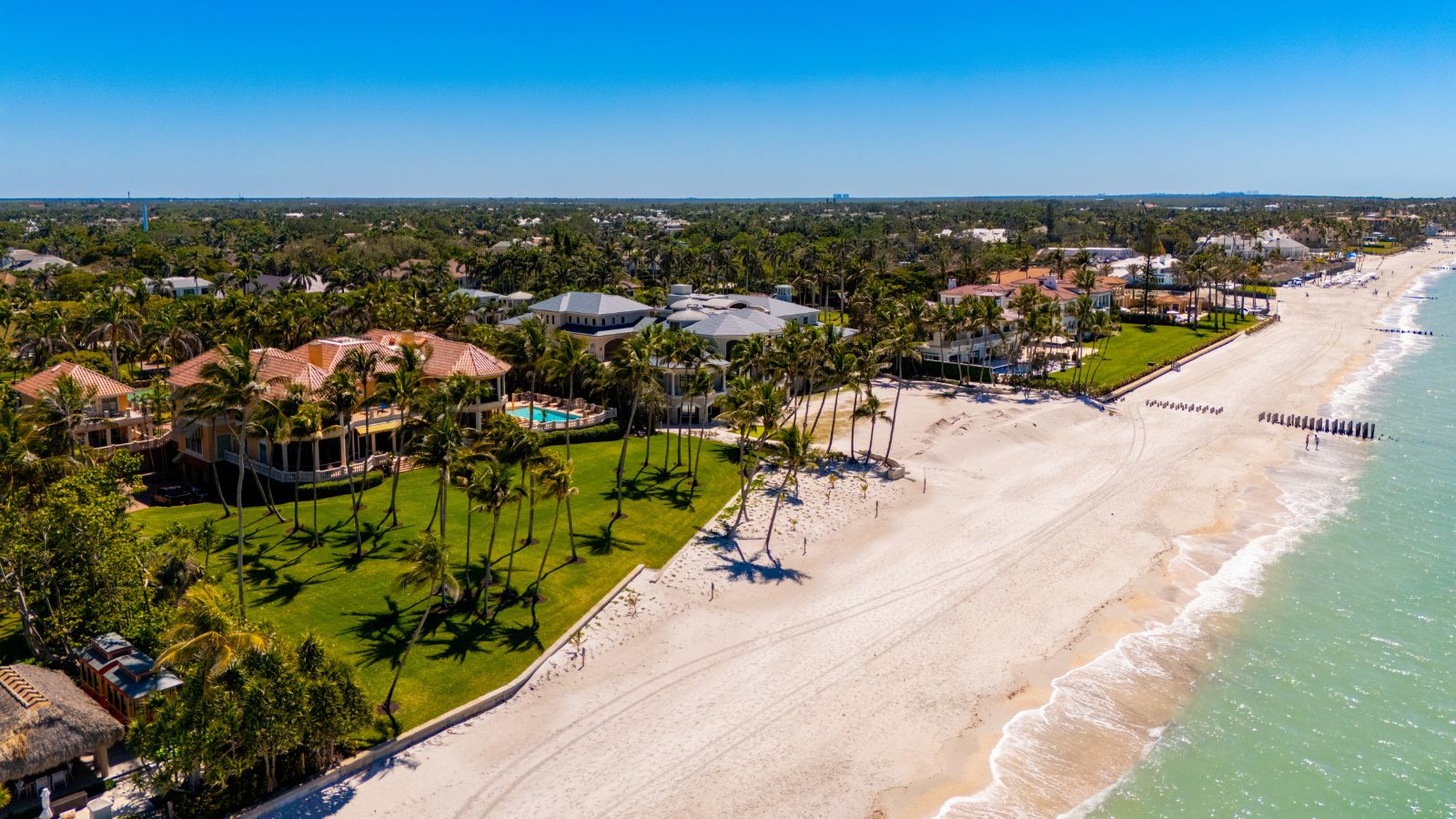
Buying a waterfront property in Naples is more than buying real estate; it’s buying a lifestyle. The shimmering Gulf, private docks, tranquil canals, and sun-soaked terraces are irresistible. But the same elements that make waterfront living magical also carry complexity, risk, and long-term cost.
Top Considerations When Buying a Waterfront Property in Naples, FL
If you’re exploring luxury waterfront homes in Naples, here are the top considerations I guide my clients through, so you don’t just fall in love with a view, but make a wise, lasting investment.
1. Type of Waterfront & Water Access
Not all “waterfront” properties are the same. The kind of water connection makes a big difference in lifestyle and value.
- Gulf-front (beachfront): Direct access to the Gulf, walk-out sand frontage, unobstructed views. These properties carry prestige but also stricter regulations and insurance costs.
- Bayfront / Estuary: Provides beautiful views, gentler waves, and more protection from storms.
- Canal-front / Deep Water Canals: Many Naples homes back onto canals feeding to Naples Bay or Gulf. The key questions are canal width, depth at low tide, and whether there is a bridge obstruction.
- Canal-with-dock arrangements: A property’s dock and the condition of its watercraft access often dictate how much of the “water lifestyle” you’ll enjoy.
When exploring listings on my site, especially among deep-water communities or in Port Royal, Aqualane Shores, Moorings, or Pelican Bay, you’ll see how the kind of waterfront dramatically influences price, usability, and maintenance.
2. Seawall, Dock & Marine Infrastructure
These are the hard assets that protect your investment—and they wear with salt, weather, and time.
- Seawall condition & age: Seawalls protect your land from erosion, storm surge, and shifting soils. Ask for inspection records and maintenance history.
- Dock design and materials: Assess the structure, pilings, hardware, and boat-lift systems. Docks with rot, corrosion, or misalignment can turn into expensive repairs.
- Permits and compliance: Especially for Gulf-adjacent homes, properties within the Coastal Construction Control Line (CCCL) have additional restrictions on construction, remodeling, or dock additions.
- Future upkeep costs: You should budget for regular maintenance, reinforcement, and shell growth cleanup.
Any good waterfront home tour I lead includes a marine contractor review of these elements. If seawall or dock work looms, it will affect your offer and long-term budgeting.
3. Regulatory, Zoning & Environmental Constraints
Living on the water means working with many more layers of regulation—and ignoring them is risky.
- CCCL and shoreline regulation: Many beachfront parcels lie in the Coastal Construction Control Line zone. If so, any changes, additions, or restorations will require special permits from the Florida DEP.
- Flood zone, elevation, and insurance mandates: Check FEMA maps to see whether the lot falls in VE, AE, or other flood zones. Properties below base flood elevation often require flood insurance and elevated structures.
- Public vs. private beach boundaries: In Florida, land below the mean high-water mark is usually public. You might not own all the sand between your home and the Gulf.
- Zoning, HOA, and community rules: Some severe restrictions limit waterfront modifications, dock use, or rental use. Always review governing documents and regulatory overlays before you bind yourself.
Because many waterfront buyers are often out-of-state or overseas, ensuring regulatory compliance before closing is critical to avoid surprises—and potential violations.
4. Structural Integrity & Home Systems
Waterfront exposure accelerates aging. The construction quality and material choices become central to longevity.
- Impact windows and hurricane mitigation
- Foundation integrity, pilings, and uplifts
- Corrosion-resistant materials in plumbing, electrical, and HVAC
- Proper drainage and rainwater handling
- Quality roofing systems designed for salt air and wind
In my luxury-home clients’ due diligence, we always bring in inspectors with marine and coastal experience, not just standard home inspectors, to seek hidden damage from salt, leaks, or movement.
5. Orientation, Views & Sun Exposure
These softer, but powerfully felt, choices influence how living on the waterfront feels each day.
- West- and southwest-facing Gulf homes often deliver spectacular sunsets, but also hotter afternoons.
- East- or north-facing may offer milder heat but fewer dramatic views.
- Wind patterns, breeze direction, and shading (from landscaping or neighbors) all matter for comfort and energy bills.
When I preview homes with clients, we time viewings at sunrise and sunset to fully experience light, glare, and feel at both ends of the day.
6. Maintenance, Upkeep & Hidden Costs
Owning a waterfront property means accepting that upkeep is more rigorous—and often costlier—than for inland homes.
- Seawall and dock repair or replacement (often five- to ten-figure projects)
- Annual cleaning, pressure washing, sealing, and corrosion protection
- Pest control, mold, salt intrusion, and rot prevention
- Insurance premiums and deductibles
- Landscape erosion control and drainage
- Storm damage preparation and restoration
A rule of thumb I often use with clients: expect 1-3 % of the property’s value annually in maintenance and reinvestment on high-exposure waterfront homes.
7. Resale Value & Market Trends
Waterfront properties in Naples tend to weather market cycles better, but not all waterfronts perform equally.
- Waterfront homes in prime locations (beachfront, deep-water, Gulf access) typically appreciate more rapidly and hold value longer.
- Scarcity of well-located waterfront parcels increasingly boosts demand.
- However, as climate concerns grow, elevation, resiliency, and design for the future will increasingly influence resale premiums.
- In recent local reports, waterfront homes continue to command a premium over inland properties and often remain among the tightest-inventory segments in Naples.
When selecting a waterfront property, we forecast not just historical appreciation, but anticipated future risk and buyer preferences.
8. Financing, Insurance & Lender Scrutiny
Lenders and insurers treat waterfront properties differently, and your financing plan must account for those dynamics.
- Flood insurance is typically mandatory, and premiums can be substantial.
- Windstorm policies, higher deductibles, and “coastal loading” premiums are common.
- Some lenders require marine inspections and stricter structural underwriting.
- Title insurance must confirm waterfront easements, boundary encroachments, and beach ownership lines.
Before you finalize your budget, I help my buyers get insurance and financing quotes early so we don’t chase a beautiful home only to find it’s unaffordable to maintain or insure.
Buying Waterfront Property in Naples, Florida with Lori Fowler Naples Luxury
Waterfront property in Naples offers one-of-a-kind beauty and lifestyle, but it’s not a casual purchase. The magic of living on the water needs to be matched with structural, regulatory, financial, and practical diligence.
If you’re ready to explore waterfront homes, whether Gulf-front, canal-access, or bay-view—I’d love to partner with you. Let me help you find something that’s beautiful and built to last.
- Explore Waterfront Listings
- Learn more about Exceptional Naples Communities