
Luxury Home Inspections: Common Issues in Southwest Florida Properties

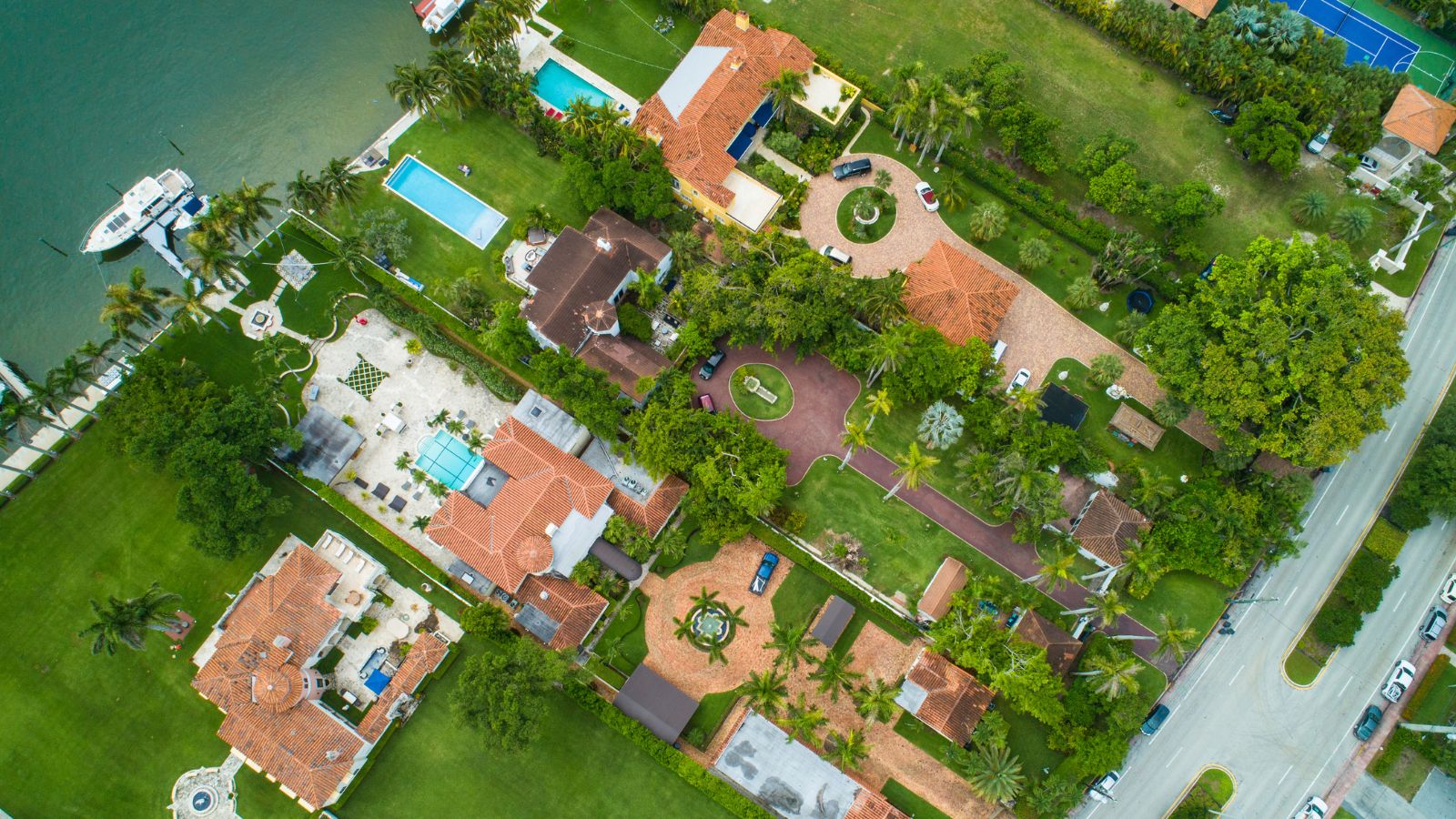
When you’re buying or selling a luxury home in Southwest Florida, especially high-end properties in communities like Port Royal, Aqualane Shores, Pelican Bay, Grey Oaks, or Quail West, the home inspection process requires thoughtful attention. These aren’t standard suburban houses. They’re estate-sized, often waterfront or canal-adjacent, built with high-end finishes, large mechanical systems, and elevated value. That means inspection issues carry higher stakes.
Luxury Home Inspections: Common Issues in Southwest Florida Properties
In this guide, I’ll walk you through the most common inspection concerns I see in luxury Southwest Florida homes, how they affect value and buyer peace of mind, and how you can engage the right professionals to protect your investment.
1. Seawalls, Docks & Marine Infrastructure
For waterfront or deep-water canal homes, the condition of the water-side infrastructure is often the most significant inspection line item.
Common issues include:
- Seawall deterioration, bulging, leaning or misalignment. These weaken structural protection and can be expensive to repair.
- Dock pilings rotting, hardware rusting, boat lifts not functioning.
- Poor marine electrical or poorly grounded dock lighting.
- Water intrusion from tidal seepage or storm surge.
- Permitting gaps or undocumented repairs affecting resale.
When reviewing listings in canal-front or Gulf-access communities, we always bring in a marine contractor during inspection so you can assess repair timing and cost before closing.
2. Roof, Impact Glass & Coastal Exposure
Luxury homes in Southwest Florida face unique structural pressures from sun, salt air, wind and humidity.
Key focus areas:
- Hurricane protection: impact-rated windows and doors, secure hurricane shutters, correctly built roof systems.
- Roof life: Whether tile, metal or flat membrane, roofs last differently in coastal conditions. Age, standing water and seal integrity matter.
- Corrosion: Behind stucco walls or under eaves, salt exposure can accelerate rust on fasteners, flashings, HVAC supports and gutters.
- Drainage: Proper pitch, gutter systems, and eaves are critical to channel rainwater away from walls and foundations.
For luxury buyers, inspection should always include an experienced coastal structural specialist rather than just a typical home inspector.
3. HVAC, Electrics & Smart-Home Integration
High-end homes often come with large mechanical footprints and high expectations for comfort and efficiency.
Inspection highlights:
- HVAC systems: For large square footage homes, confirm zoning, fresh-air intake, maintenance history and efficiency ratings.
- Electrical panels: Older estates may have outdated service capacity or ad-hoc upgrades. Be sure you’re safe and code-compliant.
- Whole-home systems: Smart lighting, AV, security, pool/fountain controls — all need review for proper integration and wiring.
- Generator systems: If included, inspection of auto-transfer switches, fuel supply and maintenance logs is critical.
Ignoring these items in luxury homes creates risk and expense. I always recommend buyers budget for upgrades when systems are over 10-12 years old.
4. Indoor-Outdoor Living & Pool Complexes
Luxury homes in Naples thrive on indoor-outdoor connectivity — but that brings inspection complexity.
Typical issues:
- Pool and spa equipment: Pumps, heaters, chemical controls, and automation systems often require dedicated technicians.
- Outdoor kitchens: Gas lines, wiring, appliances, and weather exposure all raise potential hazards.
- Screen enclosures and lanai systems: Check for structural integrity, rust issues, and impact from storms.
- Floor-to-ceiling glass and sliding walls: Drainage, threshold wear, and seal failure are common in coastal settings.
If you’re planning to host or entertain heavily, verifying outdoor systems is crucial. A failure in one system can impair lifestyle and value.
5. Foundation, Elevation & Moisture Issues
Southwest Florida’s soils, coastal water tables, and climate bring distinctive foundation risks.
Important checks include:
- Elevation relative to flood maps and FEMA zones. Homes built below required flood elevation may face high insurance costs.
- Pilings or pier foundations: For modern homes, is elevation compliant? Are there signs of settling or movement?
- Moisture intrusion: In canal or bay homes, seepage or capillary water may impact slabs, walls, or equipment rooms.
- Crawl spaces and service tunnels: These should be properly ventilated and waterproofed.
At the luxury level, inspection specialists should review engineering reports for waterfront or low-lying lots to ensure structural resilience and value retention.
6. Materials, Finishes & Hidden Wear
Luxury homes often carry high-end finishes—but unless they’ve been inspected and maintained, wear can hide beneath the surface.
Common hidden issues:
- Kiln-fired tile, custom wood floors, or imported materials may need special care.
- Imported stone or marble may have staining or sealing issues in a humid climate.
- Landscaping and irrigation systems: Salt air often affects metals, fixtures, and pumps.
- Exterior materials: Stucco, metal rails, glass guards, and wood accents all face accelerated aging near coastlines.
During inspection, I often engage interior and exterior finish specialists to evaluate condition and maintenance needs—not just structural checks.
7. Community & Association Review
While not strictly part of the home inspection, reviewing community, HOA, and association documents is essential in luxury markets.
Buyers should check:
- HOA reserve studies and expenditure history
- Community seawalls, shared docks, berms, and bulkhead condition
- Short-term rental or guest-house restrictions impacting value
- Gated-community access, security staffing, and emergency procedures
- Club memberships, transfer fees, and initiation costs (especially in golf or beach club communities)
These factors don’t always show up on an inspection report—but they impact lifestyle, cost, and resale value significantly.
Preparing for a Smooth Luxury Inspection: My Recommendations
- Hire specialists, not just general inspectors. Waterfront, coastal exposure, large mechanical systems and estate-sized homes call for engineers, marine contractors and smart-home integrators.
- Schedule during daylight to review outdoor systems, pool, docks and landscaping in full light.
- Request full service history, including HVAC logs, pool logs, dock maintenance, and hurricane prep records.
- Plan for contingencies, even in turn-key homes. Set aside 1-3 % of property value annually for maintenance in luxury estate markets.
- Include an inspection addendum in your contract with sufficient time for specialists, vendors, and review. Luxury properties often require longer due diligence windows than standard homes.
Why This Matters for Luxury Buyers in Naples
When you’re investing millions in a home in Naples, luxury isn’t just about aesthetics—it’s depth, durability and lifestyle performance. Ignoring inspection details can cost thousands, even hundreds of thousands, down the road.
A well-inspected home helps you:
- Negotiate from strength, not uncertainty
- Eliminate surprises that disrupt relocation or rental plans
- Preserve resale value by maintaining structural and mechanical integrity
- Favor homes built with future-proofing in mind (resiliency, technology, wellness features)
As your partner in luxury real-estate, I support you beyond listings. We prepare, inspect, evaluate and protect your purchase, so your home becomes an asset not a burden.
In Summary
Luxury home inspections in Southwest Florida require more than checklist-based reviews—they demand depth, specialization and foresight. From marine infrastructure and coastal exposure to sophisticated mechanical systems and finish materials, the scope of what we evaluate in Naples is advanced.
If you’re buying or selling a high-end home in Naples, let’s plan your inspection strategy together. I can connect you with trusted specialists and make sure nothing is overlooked.
Explore luxury listings and communities built for aspiration and value.