

What Are CDD Fees in Florida? A Naples Buyer’s Guide

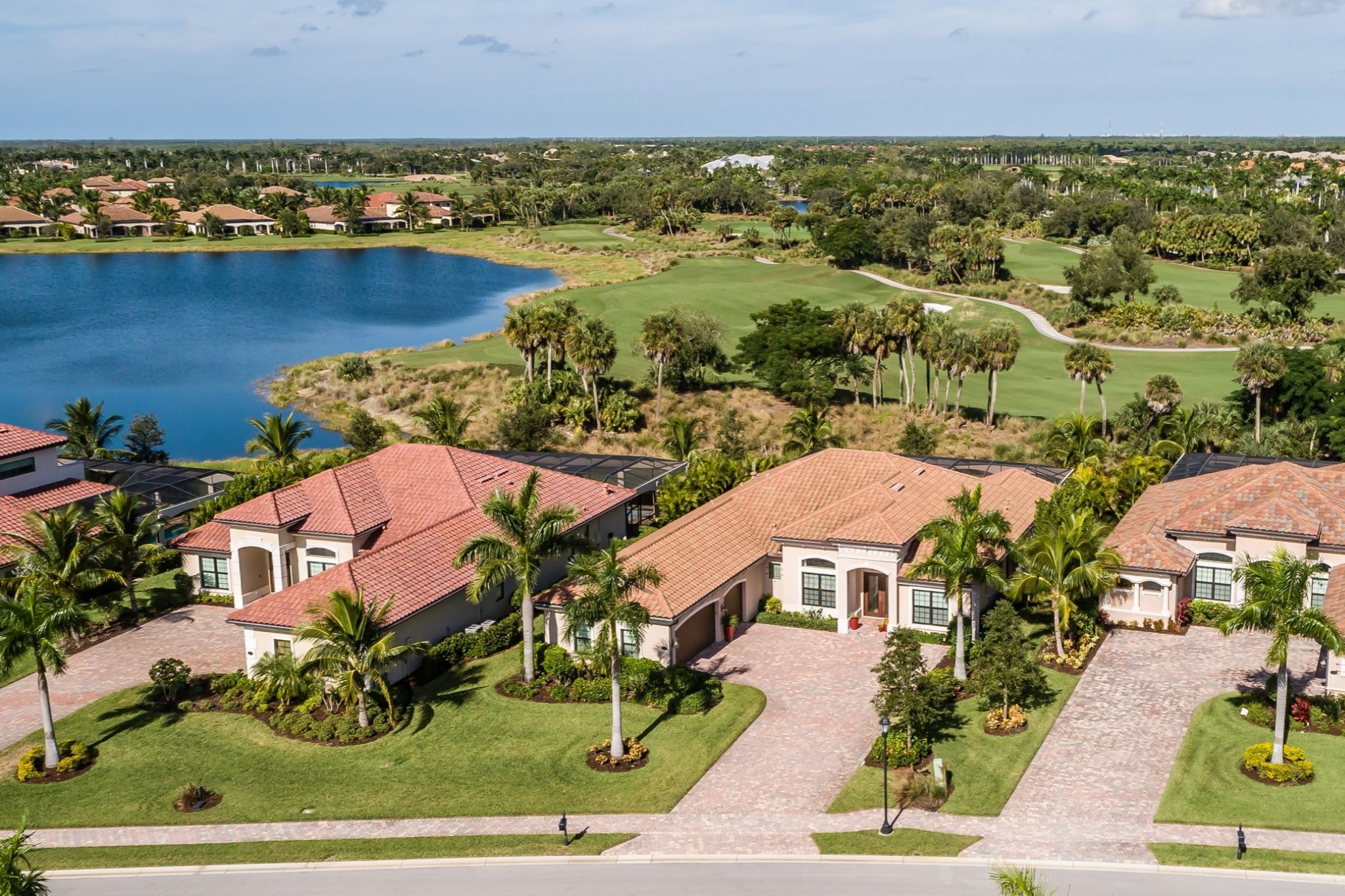
When I walk a client through a new Naples community, there is one line item that surprises more people than any other. It is not the HOA fee, and it is not the club membership. It is the CDD fee, short for Community Development District fee, and it arrives on your property tax bill each November.
As a real estate advisor in Naples, I want you to understand this charge before you fall in love with a floor plan, not after. A CDD is not a flaw. In many of the best master-planned communities in Southwest Florida, it is the reason the roads, lakes, gates, and amenities exist at all. But it is a real cost, it follows the property, and it affects both what you pay and what you can later sell for. Here is how I explain it to my clients.
What a CDD Actually Is
A Community Development District is a special-purpose unit of local government created under Chapter 190 of the Florida Statutes, the Uniform Community Development District Act. The statute gives these districts the power to finance, build, and maintain community infrastructure.
When a developer plans a large community, someone has to pay up front for roads, drainage, utilities, and sometimes clubhouses. The district sells bonds to raise that money. Homeowners inside the district then repay those bonds over time through an annual assessment.
That assessment appears on your Collier County tax bill as a non-ad valorem item. In plain language, that means it is not based on the value of your home. It is based on the benefit your lot or unit receives from the district’s improvements.
CDDs are far from rare. According to BoundSight, Florida now has 1,096 of them, and more than half were created since 2015. If you are shopping new construction anywhere in Southwest Florida, you will almost certainly meet one.
The Two Parts of the Fee
Every CDD assessment has two components, and understanding the difference is the single most useful thing you can take away from this post.
Debt Service
This is the bond repayment. It covers principal and interest on the money borrowed to build the infrastructure. It is generally fixed for the life of the bonds, often 20 to 30 years, and it disappears when the bonds are retired.
Operations and Maintenance
This covers the ongoing work: common area landscaping, stormwater lakes, lighting, insurance on district-owned property, and in some districts gate or amenity operations. The district board adopts a budget each year, so this part can rise or fall. It does not go away when the bonds are paid off.
The mix matters. In an older neighborhood where the bonds were repaid long ago, you may owe only the operations portion. In a newer phase, the bond portion can make up most of the bill. One local Naples fee guide offers a vivid example from Fiddler’s Creek CDD #1, where paid-off neighborhoods owe about $1,736 a year while bond-active ones owe about $6,836 a year. Same community, very different annual cost.
What Does a CDD Fee Cost in Naples?
I will be careful here, because the honest answer is that it depends on the district, the phase, and your lot type. Local brokerage guides generally describe Naples new construction CDD fees as running from roughly $1,500 to $5,000 per year, with some larger or amenity-rich parcels higher. Treat that as a broad range, not a quote.
What matters far more than the average is the exact figure for the exact address you are considering. Within a single community, the spread between a villa and an estate home can be wider than the gap between two neighboring communities.
So I never rely on a brochure number. I pull the actual tax bill and request the district’s budget and bond schedule.
CDD Fees vs. HOA Fees
This is the most common point of confusion, so let me make it simple.
- An HOA is a private association. Its dues are set under the community’s governing documents and are typically billed directly to you.
- A CDD is a government entity. Its assessment is collected through your property tax bill, and an unpaid balance can become a lien on the property.
- They are separate charges. Many Naples communities have both, and one does not replace the other.
What the Law Requires You to Be Told
Florida law does protect buyers here, but only partly. Section 190.048 requires a bold, oversized disclosure above the buyer’s signature in a contract for the initial sale of a parcel or residential unit within a district. The Florida Realtors CDD addendum reproduces the wording, which warns that the district may impose taxes or assessments in addition to other local taxes.
The key word is initial. That disclosure applies to the first sale from the developer or builder. It is not required in the same format on a resale between private owners. So if you are buying a resale home in a Naples community built in the last couple of decades, nobody may hand you that warning page. You may learn about the assessment only when you read the tax bill, unless your advisor raises it first.
That is exactly why I raise it first, every time.
How CDD Fees Affect Buyers
If you are buying, I encourage you to look at a CDD as part of the total cost of ownership, alongside insurance, taxes, HOA dues, and club costs. A few questions I ask on my clients’ behalf:
- How much of the assessment is debt service, and how much is operations?
- How many years remain on the bonds?
- Can the bond portion be prepaid in a lump sum, and is that allowed in this district?
- What has the operations budget done over the last several years?
Here is why the remaining term matters. A modest annual number sounds easy to absorb, but multiplied by 20 years it becomes a six-figure commitment. That does not make it a bad purchase, but your budget and negotiation should reflect it.
For my clients buying luxury homes in Naples, I also compare the CDD against what it delivers. The goal is not to avoid every CDD. The goal is to buy with eyes open.
How CDD Fees Affect Sellers
If you are selling a home in a CDD, expect buyers to ask about it, and expect their agents to look at the number closely. Today’s buyers are well informed.
My advice to sellers is to get ahead of it:
- Have your most recent tax bill ready, with the non-ad valorem line highlighted.
- Know your bond balance and remaining term.
- Price with the full annual carrying cost in mind, since buyers will.
A seller who explains the CDD with documentation builds trust. In my experience, transparency protects your price.
Where You Will Run Into CDDs
Newer communities across Collier County are the most likely to have one. Established luxury enclaves such as Port Royal, Aqualane Shores, and Old Naples were largely built out before the CDD model became common. So they are generally not where you will find one, though I always confirm on the tax bill instead of assuming.
If you are considering waterfront homes in Naples, golf communities, or new-construction luxury condominiums, ask early whether a district is involved.
In Summary
A CDD fee is an annual assessment that repays the bonds used to build a community’s infrastructure and pays to maintain it. It shows up on your property tax bill, it is not based on your home’s value, and it is separate from any HOA dues. The bond portion is typically fixed for 20 to 30 years and then ends. The operations portion can change every year and does not end.
Florida’s disclosure rule protects first-time buyers from a builder, but resale buyers often have to ask. Look at the real tax bill, the district budget, and the bond schedule for the specific home. Then weigh the cost against what the community delivers.
Let’s Talk Before You Decide
If you are thinking about buying or selling in a Naples community with a CDD, I would be glad to help you read the numbers and understand what they mean for your goals. I help my clients compare the true cost of ownership, ask the right questions, and negotiate with confidence. Reach out to me anytime, and I will make sure your Naples luxury real estate decision is a well-informed one.